“There is no real difference between structure and function; they are the two sides of the same coin. If structure does not tell us anything about function, it means we have not looked at it correctly.”
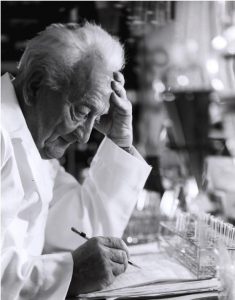 Albert Szent-Györgyi
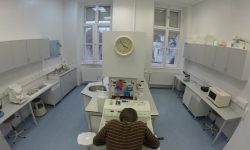
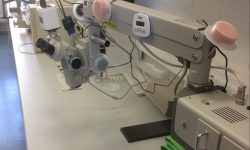
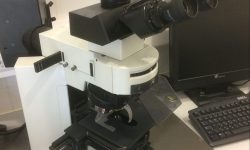
The Laboratory of Neural Regeneration is functioning in the Department of Anatomy, Histology and Embryology. The Department has a strong tradition in basic and clinically-oriented neuromorphological research and the team leaders manage several well-equipped laboratories.
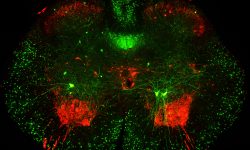
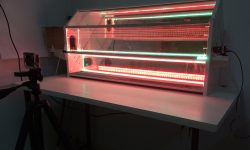
The Laboratory of Neural Regeneration employs a broad spectrum of histochemical, immunocytochemical and electrophysiological techniques with an increasing focus on combining these methods with locomotor functional approaches. When needed, we apply molecular biological methods to underpin the results gained by the above techniques. We are specially interested in the research on spinal cord regeneration and transplantation and in the fields of motoneuron survival and muscle reinnervation.
Antal Nógrádi
Head of Laboratory

 University of Szeged, Faculty of Medicine,